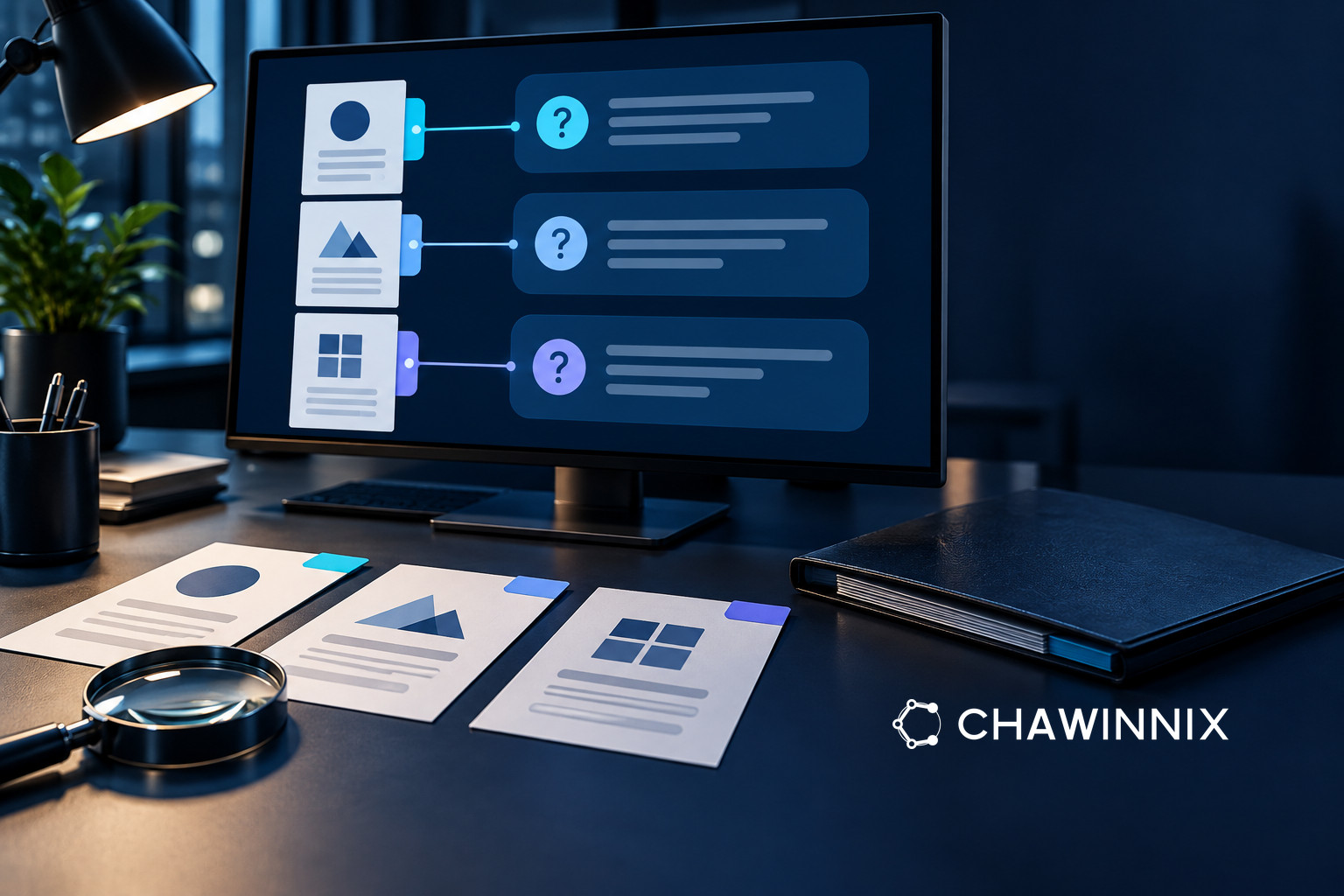
Preparing a company chatbot knowledge base with reliable source documents
Define the questions before choosing files
A chatbot that retrieves company documents to support its answers needs a clear scope. Start with real questions, such as which product model suits a task or what customers should prepare before requesting a service. Identify matters to pass to staff rather than importing every folder at once. The first objective is to let the team trace answers to specific sources, not to make the bot answer everything.
Create a register of owners and approved versions
Consider a table listing each document, content owner, review date, approved version and permitted audience. If two manuals conflict, have the owner decide which remains applicable. Do not automatically treat the latest file modification date as approval. In a hypothetical example, a sales presentation contains outdated service terms. Copying that file yesterday does not make those terms current.
Test extraction from real document formats
Scanned documents, tables and illustrations can yield extracted information that differs from what people see on the page. Test examples of each format and compare extracted text with the original, especially table headings, units and footnote conditions. Microsoft recommends representative content and test questions aligned with the intended domain. This approach starts with a small, reviewable set before expanding to the whole collection.
Base access on the audience, not just storage location
Separate public information, employee material and content restricted to particular roles. Check that retrieval and answer generation actually preserve these permissions, including when users change roles or lose access. A project team being able to open a document does not mean every customer should receive answers based on it. Before importing personal or business-confidential information, review necessity and handling conditions with the responsible person.
Include answerable questions and escalation cases
Choose ordinary questions, ambiguous questions and questions not answered by the documents. For each, have the content owner identify sources and acceptable answers, together with what should happen when information is insufficient. In a hypothetical example, a question concerns different product models. The bot should clarify the model rather than merge two manuals into one set of terms. Also test access restrictions and feed incorrect answers back into source corrections.
Plan knowledge maintenance after launch
Decide who reports product, terms or manual changes, who approves them and when existing test questions must be rerun. Record the sources used in each release so answers can be reviewed later. Citing documents does not make AI correct every time; retain a path to human assistance and track errors. Chawinnix provides AI and automation services. A source register and test-question set help frame a project around real work and information.